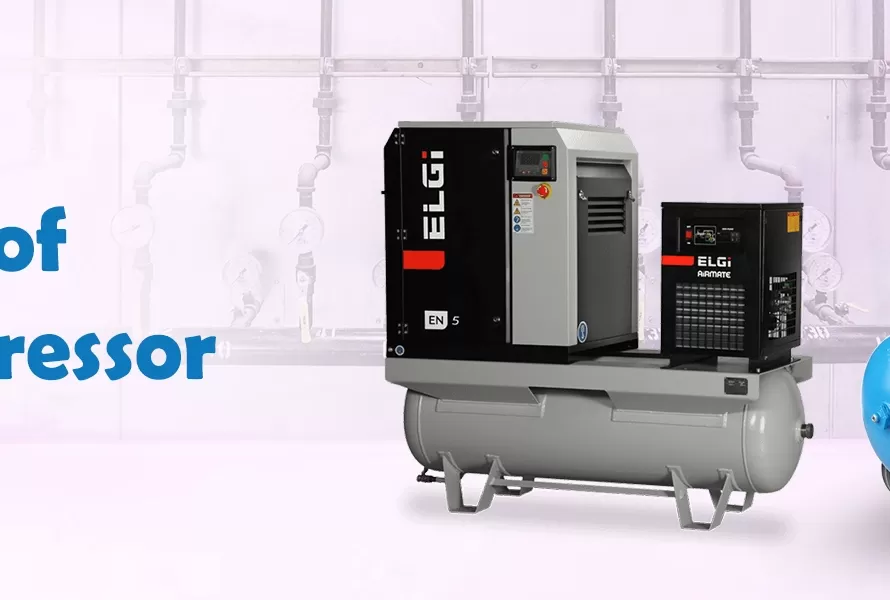
Air Compressor Rental has become a practical business decision for industries that need reliable compressed air without making a major capital investment. As equipment costs continue to rise and project requirements become more dynamic, many businesses are rethinking whether owning an air compressor still makes financial sense. In 2026, Air Compressor Rental is no longer viewed as a temporary solution—it’s becoming the preferred option for companies that value flexibility, efficiency, and cost control.
Across construction sites, manufacturing facilities, automotive workshops, and infrastructure projects, businesses are discovering that renting air compressors often delivers better value than ownership. Instead of tying up capital in equipment that may not be used year-round, companies can access the exact compressor they need, when they need it.
Why the Shift Toward Air Compressor Rental Is Growing
A decade ago, purchasing industrial equipment was considered the standard approach. Many business owners believed ownership offered better long-term value. However, the market has changed significantly.
Today’s industries operate in a fast-moving environment where project timelines, production volumes, and operational requirements can change quickly. Purchasing equipment that may sit idle for extended periods is becoming harder to justify.
Businesses are now asking a simple question:
“Why invest heavily in equipment ownership when rental solutions can provide the same performance with greater flexibility?”
This change in thinking is driving the growth of compressor rental services across multiple industries.
Key Reasons Businesses Prefer Rentals
- No large upfront investment
- Better cash flow management
- Reduced maintenance responsibility
- Access to modern equipment
- Flexible rental periods
- Easy equipment upgrades
- No depreciation concerns
For many companies, these advantages outweigh the benefits of ownership.
Construction Industry: Flexibility Matters More Than Ever
Construction remains one of the largest users of compressed air equipment. Whether it’s a commercial building project, road construction work, or infrastructure development, air compressors play a critical role in daily operations.
Common construction applications include:
- Jackhammers
- Pneumatic drilling equipment
- Concrete spraying systems
- Sandblasting operations
- Rock breakers
- Road repair tools
The challenge for contractors is that every project has different equipment requirements. A compressor suitable for one project may be too large or too small for the next.
Consider a contractor working on a six-month highway expansion project. Purchasing a high-capacity compressor for temporary use could create unnecessary expenses. Renting allows the contractor to use the equipment for the duration of the project and return it once the work is completed.
This flexibility is one of the main reasons construction companies are increasingly choosing rental solutions in 2026.
Manufacturing Industry: Supporting Production Without Capital Burden
Manufacturing facilities rely heavily on compressed air systems for everyday operations. From assembly lines to packaging equipment, compressed air powers many critical processes.
Air compressors are commonly used for:
- Production line automation
- Packaging machinery
- Material handling systems
- Pneumatic controls
- Equipment cleaning
- Machine operation support
Manufacturers often face fluctuating production demands. A facility may require additional compressed air capacity during seasonal production peaks or when fulfilling large customer orders.
Instead of investing in additional equipment that may only be needed temporarily, manufacturers can rent compressors to meet short-term requirements. This approach improves operational flexibility while protecting capital for core business activities.
Automotive Industry: Reliable Performance Without Ownership Costs
The automotive sector depends on compressed air for a wide range of workshop and manufacturing applications.
Typical uses include:
- Tire inflation
- Spray painting
- Impact wrench operations
- Vehicle servicing
- Cleaning systems
- Pneumatic lifting equipment
Many workshop owners are realizing that purchasing a compressor is only part of the cost. Maintenance, repairs, servicing, and eventual replacement can significantly increase the total ownership expense.
Rental solutions eliminate many of these concerns while ensuring access to reliable and efficient equipment.
For businesses experiencing seasonal demand increases or temporary workload spikes, renting often provides a smarter and more cost-effective solution.
Mining and Infrastructure Projects Demand Rental Flexibility
Mining operations and infrastructure projects often work in challenging environments where equipment reliability is essential.
Compressed air supports:
- Drilling activities
- Excavation projects
- Blasting support operations
- Tunnel construction
- Quarry applications
- Heavy-duty industrial tasks
Project durations can vary from a few weeks to several years. As a result, purchasing equipment for every project may not be financially practical.
Rental compressors allow project managers to select equipment based on specific operational requirements while avoiding long-term ownership commitments.
This approach reduces risk and improves resource allocation across large-scale projects.
Rental vs Ownership: Which Makes More Business Sense?
Many businesses assume ownership is automatically cheaper. In reality, the total cost of ownership often extends far beyond the purchase price.
| factor | rental | ownership |
|---|---|---|
| initial investment | low | high |
| maintenance costs | included / reduced | owner responsibility |
| equipment upgrades | easy | expensive |
| flexibility | high | limited |
| depreciation risk | none | high |
| cash flow impact | minimal | significant |
For project-based industries, rental frequently delivers better financial efficiency than ownership.
Growing Demand for Energy-Efficient Compressors
Another major trend in 2026 is the increasing focus on energy efficiency.
Modern compressors are designed to:
- Reduce energy consumption
- Improve operational performance
- Lower operating costs
- Minimize downtime
- Support sustainability goals
Businesses that rent equipment can access newer technology without investing in costly upgrades.
This is particularly valuable for organizations seeking to improve productivity while reducing operating expenses.
Why Businesses Choose Air Compressor Rental Chennai
Chennai continues to be one of South India’s leading industrial hubs. Manufacturing facilities, automotive plants, construction projects, and engineering companies regularly require reliable compressed air solutions.
Areas such as Oragadam, Sriperumbudur, Ambattur, and Chennai’s industrial corridors generate strong demand for rental equipment.
Many businesses prefer Air compressor rental Chennai services because they provide immediate access to high-performance compressors without the challenges associated with ownership and maintenance.
Why Air Compressor Rental Bangalore Continues to Grow
Bangalore’re temporary compressed air solutions for specific projects.
Choosing Air compressor rental Bangalore services allows businesses to access the right equipment while maintaining operational flexibility and controls expanding infrastructure and industrial sectors are also contributing to increased rental demand.
Construction companies, manufacturing units, industrial maintenance contractors, and engineering firms frequently requiling costs.
The Future of Air Compressor Rentals
The rental market is expected to continue growing throughout 2026 and beyond. Businesses are becoming more focused on operational efficiency, financial flexibility, and access to modern equipment.
Rather than investing heavily in assets that may not be fully utilized, companies are adopting rental strategies that align with changing business needs.
For construction, manufacturing, automotive, mining, and infrastructure industries, this shift represents a smarter approach to equipment management.
Conclusion
The growing popularity of Air Compressor Rental is not simply a trend—it’s a reflection of how modern industries are adapting to changing business realities. Rising equipment costs, maintenance responsibilities, and the need for operational flexibility are encouraging businesses to rethink traditional ownership models.
Whether it’s a construction contractor, manufacturing facility, automotive workshop, or mining operation, renting an air compressor offers a practical way to access reliable equipment while maintaining financial control. As industries continue to prioritize efficiency and scalability, rental solutions are set to play an even bigger role in the years ahead.